Keeping Humans in the Loop
A confident, fluent transcription can still be wrong and general AI models fail in exactly that dangerous way, producing plausible fabrications. This hub makes the case for keeping the historian in the loop, and for tools that err recoverably and keep the source verifiable.
4 articles
Leo Team · July 22, 2026
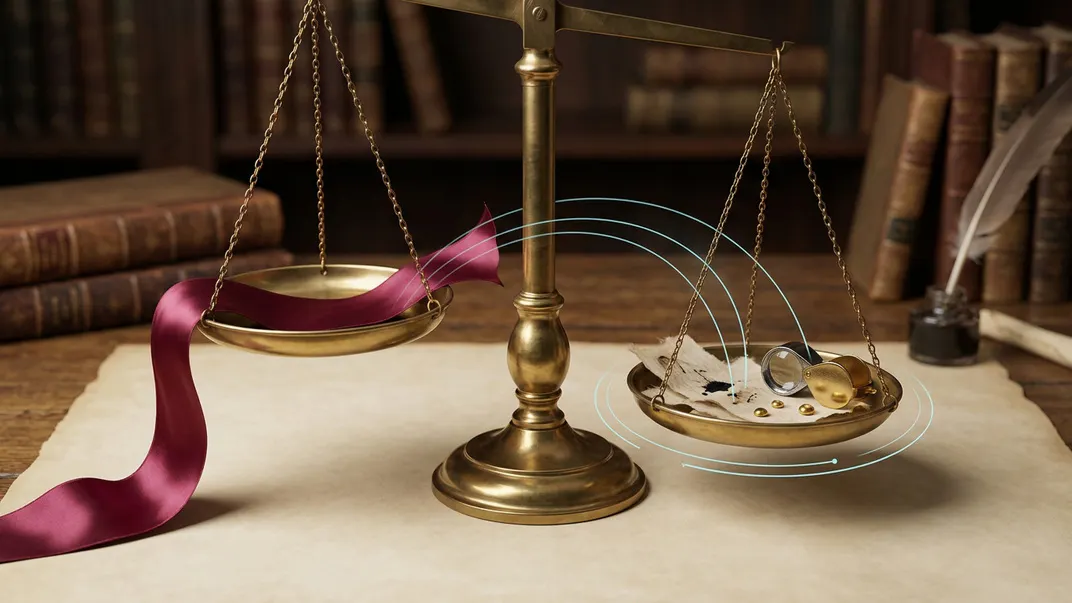
AI Transcription Accuracy: What It Measures, How It's Scored, and Why Fluency Isn't It
Explains what AI transcription accuracy metrics like CER and WER actually measure, why ground truth and confidence scores are unreliable benchmarks, and why fluent-sounding output is the most dangerous failure mode for historical handwriting transcription.
Read the article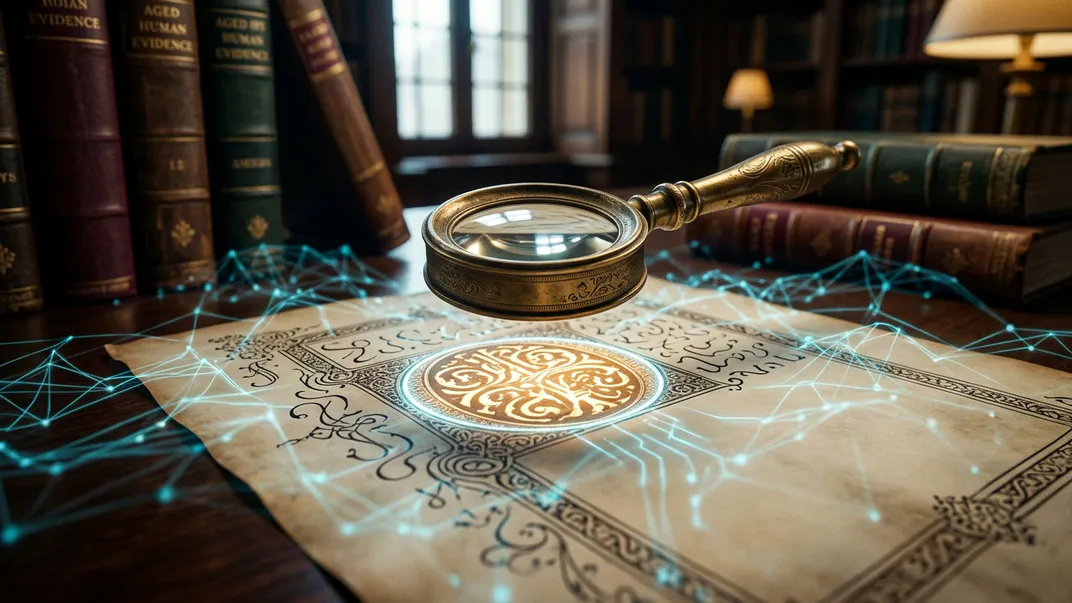
Leo Team · July 20, 2026
Does AI Mean Historians Still Need Paleography? The Skill That Now Verifies the Machine
How AI transcription changes paleography for historians: it can speed first-pass reading, but human verification, editorial judgment, and document-context expertise remain essential.
Leo Team · July 20, 2026
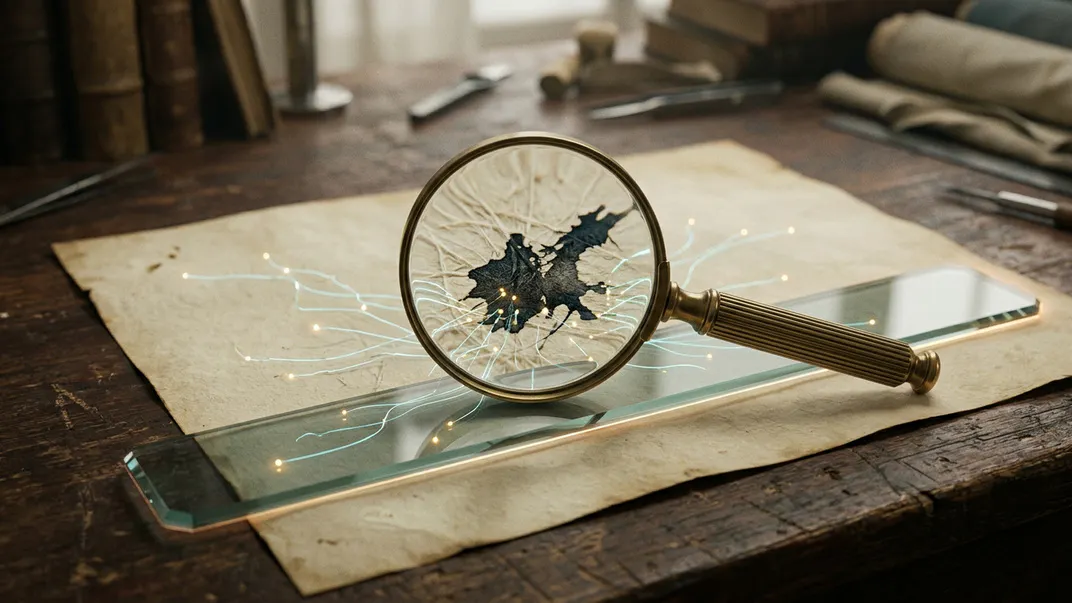
How to Verify Transcription Accuracy: A Working Method for Historical Documents
How to verify automated transcriptions of historical documents by checking against the image, interpreting error rates, and prioritizing names, numbers, and other high-stakes tokens.
Leo Team · July 20, 2026
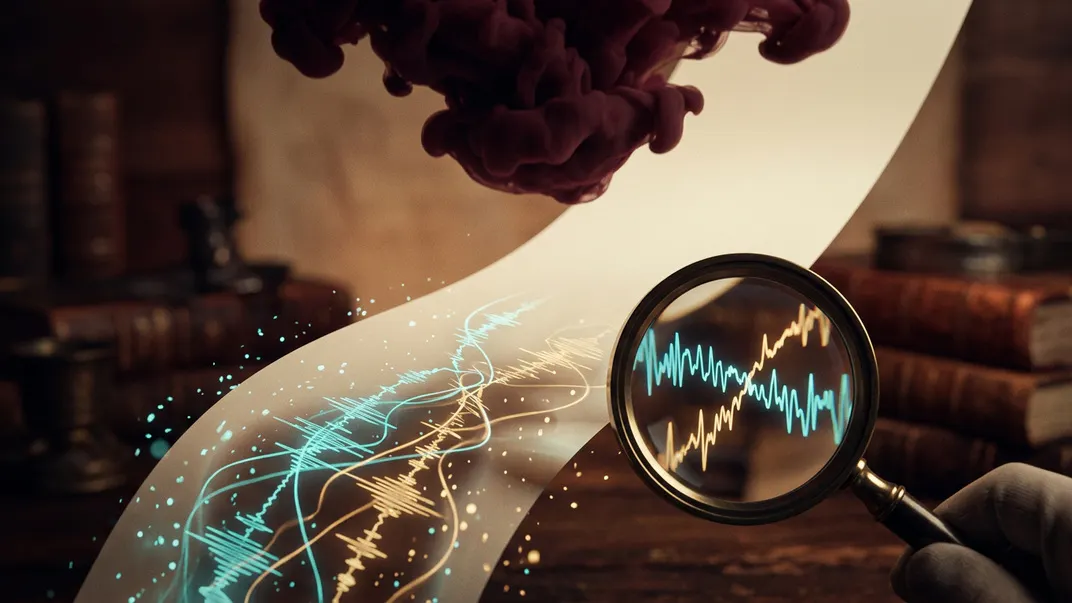
Fluent but Wrong: Understanding LLM Transcription Errors on Historical Documents
Why LLMs make fluent, plausible transcription errors on historical manuscripts, why those errors are harder to detect than garbled OCR, and how to keep interpretation separate from the base transcription.
Read the article
Decipher your archive


© 2026 Leo Technologies Limited. All rights reserved